- Our Company
- Products
- Catalytic Oxidizers
- Regenerative Thermal Oxidizer (RTO)
- Thermal Oxidizers
- Electric Catalytic Oxidizer
- Ductwork
- Filtration Systems
- Heat Exchangers
- Heat Recovery Systems
- Incinerators
- Installation Services
- Refurbished Oxidizers
- Rotary Concentrator
- Selective Catalytic Reduction
- Thermal Combustor System
- Wet Scrubber
- Aftermarket Services
- Industries
- Automotive
- Bakery Oven VOC Control
- Ceramic Manufacturing
- Chemical Processing & VOC Control
- Coffee Roasting
- Coil Coating
- Drum & Container Painting
- Flavoring & Fragrance
- Flexographic Printing & VOC Control
- Food Processing VOC Control
- Metal Decorating
- Metal Recycling & Shredding VOC Control
- Oil & Gas Processing
- Paint & Surface Coating
- PFAS Air Emissions Control
- Pharmaceutical & Medical
- Renewable Fuels
- Renewable Natural Gas (RNG)
- Rubber Products
- Semiconductor & Electronic
- Web Coating & Converting
- Case Studies
- Resource Center
- Request a Quote
- Our Company
- Products
- Catalytic Oxidizers
- Regenerative Thermal Oxidizer (RTO)
- Thermal Oxidizers
- Electric Catalytic Oxidizer
- Ductwork
- Filtration Systems
- Heat Exchangers
- Heat Recovery Systems
- Incinerators
- Installation Services
- Refurbished Oxidizers
- Rotary Concentrator
- Selective Catalytic Reduction
- Thermal Combustor System
- Wet Scrubber
- Aftermarket Services
- Industries
- Automotive
- Bakery Oven VOC Control
- Ceramic Manufacturing
- Chemical Processing & VOC Control
- Coffee Roasting
- Coil Coating
- Drum & Container Painting
- Flavoring & Fragrance
- Flexographic Printing & VOC Control
- Food Processing VOC Control
- Metal Decorating
- Metal Recycling & Shredding VOC Control
- Oil & Gas Processing
- Paint & Surface Coating
- PFAS Air Emissions Control
- Pharmaceutical & Medical
- Renewable Fuels
- Renewable Natural Gas (RNG)
- Rubber Products
- Semiconductor & Electronic
- Web Coating & Converting
- Case Studies
- Resource Center
- Request a Quote

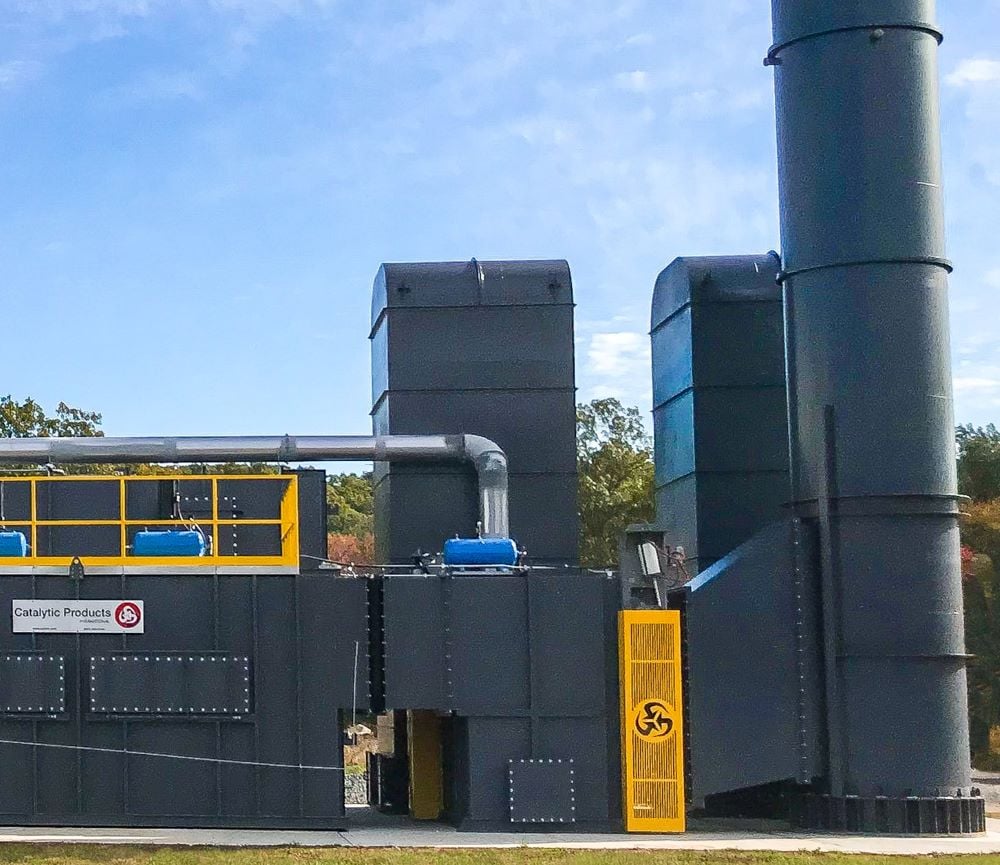
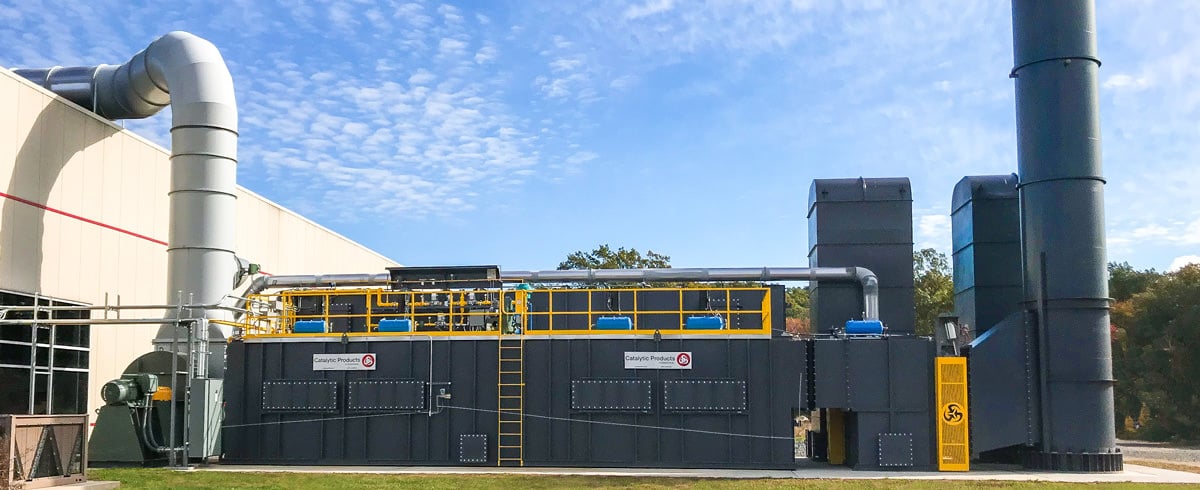 TRITON II-Series RTO's are considered among the world's most advanced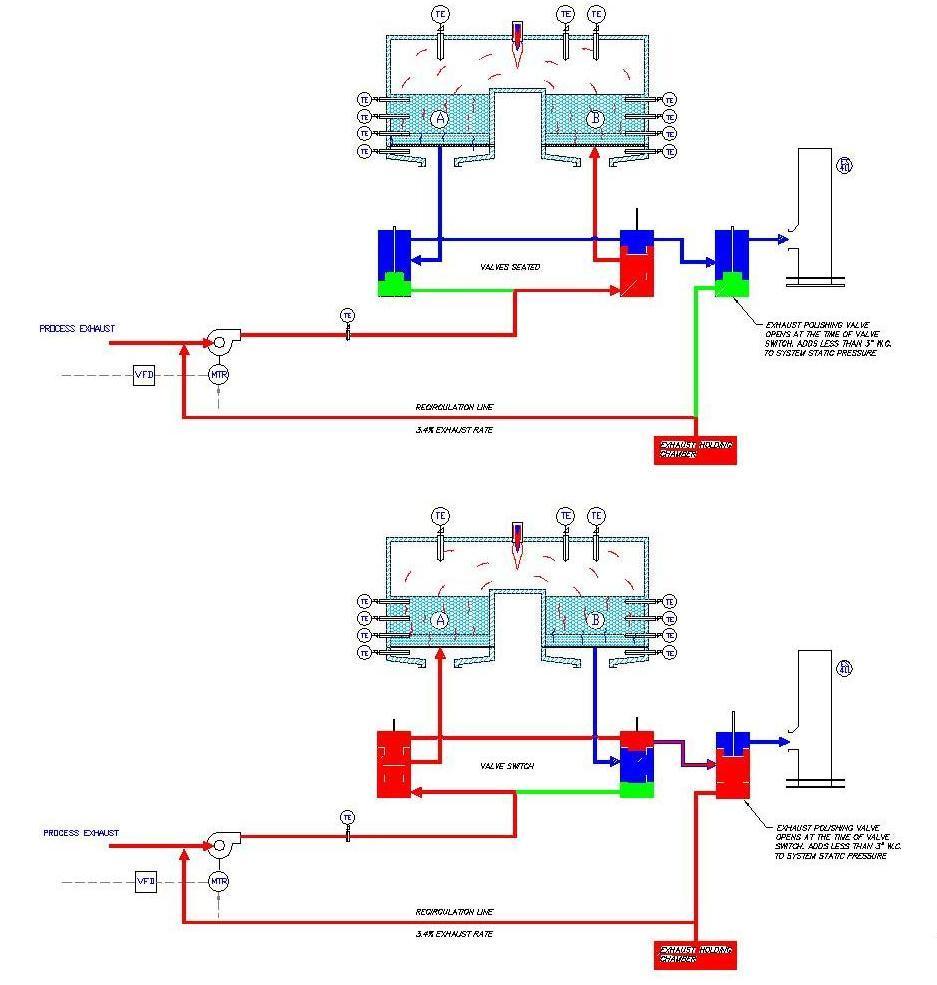
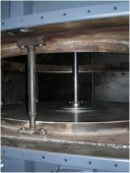
 For the spilt second that it takes for the valve switch to occur, a "puff" of un-treated gases are released to atmosphere. This small concentration of VOC lowers the removal efficiency in standard two-regenerator systems. By adding our VOC Polishing Chamber between the RTO and the exhaust stack, the TRITON II-Series RTO is able to recirculate the puff un-treated gases to the RTO for increased destruction efficiency. The VOC Polishing Chamber is comprised of a third Posi-Seal Valve and a holding vessel.