At Catalytic Products International, we have a wide variety of experts on our team, with everyone working together to provide air pollution control solutions to our clients. In our continuing series of blogs, we’ll be speaking to the different members of our team to learn how they bring value to our clients through their expertise.
Read More
Topics:
Air Pollution Control,
Expert Interviews,
Blog
When it comes to air pollution control, understanding the technology that is available is a complicated endeavor, but this knowledge is necessary for complying with environmental regulations. At Catalytic Products International, we are experts in the systems used to control volatile organic compounds (VOCs) and hazardous air pollutants (HAPs), and we want to help you understand how you can use these oxidizers for VOC control and to meet all your air pollution control needs.
There are 5 basic, distinct types of oxidizers used for VOC control. Let's look at each of them, along with some simple guidelines to point you in direction of the correct oxidizer for your process.
Read More
Topics:
Air Pollution Control,
Regenerative Thermal Oxidizer,
Thermal Oxidizer,
Catalytic Oxidizer,
Blog
In recent years, ammonia has increasingly become a regulatory concern. Due to the formation of fine particulate matter that has been linked to ammonia emissions into the atmosphere, the U.S. Environmental Protection Agency (EPA) has focused regulatory efforts on controlling these emissions, due to their statistical association with increased incidence of pulmonary disease and reduced lung function, cardiac arrest, and premature death. In addition, ammonia has an adverse effect on rivers, lakes, and aquifers, which has led to restrictions on ammonia emissions in wastewater.
Read More
Topics:
Air Pollution Control,
Catalytic Oxidizer,
Blog,
Ammonia
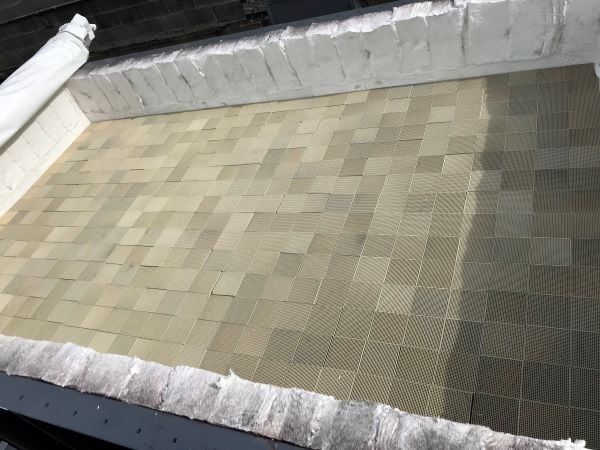
This month, CPI would like to dig deep into the guts of the Regenerative Thermal Oxidizer (RTO) to share an educated understanding of RTO ceramic heat exchange media. In all RTO applications, the selection of the type of media required to best suit your needs is an important decision when buying an RTO, but it could also be an area for improvement in equipment rebuilds. To get started, let’s review the basic types of RTO ceramic heat exchange media:
Read More
Topics:
Air Pollution Control,
Maintenance and Repairs,
Regenerative Thermal Oxidizer,
Blog
At Catalytic Products International, we work with a variety of experts who deal with air pollution control systems at every level. Just as we regularly share our clients’ success stories, we want to look at the work that our team does to meet those clients’ needs.
Read More
Topics:
Air Pollution Control,
Environmental and Regulatory,
Safety Regulations,
Expert Interviews,
Blog,
Consultants
A thermal oxidizer (also known as a thermal incinerator) is a process unit for air pollution control in many industrial plants that decomposes volatile organic compounds (VOCs) at a high temperature and releases them into the atmosphere.
Read More
Topics:
Air Pollution Control,
Thermal Oxidizer,
Blog,
Heat Exchanger
Oxidation, or combustion as it pertains to the air pollution control industry, can simply be defined as a rapid combination of oxygen with a fuel (in this case, a volatile organic compound, or VOC). This process will result in the release of energy in the form of heat and, if completed correctly in our world, the process will also release carbon dioxide and water.
Read More
Topics:
Air Pollution Control,
Blog
Selective Catalytic Reduction (SCR) is a term used in the air pollution control industry for the process of selectively targeting a pollutant to remove that pollutant from an exhaust stream. The most common pollutant that is controlled through a SCR process is nitrogen oxide (NOx). While there are many catalysts that can selectively target a number of compounds, the content of this blog will focus on SCR technologies for the reduction of NOx.
Read More
Topics:
Air Pollution Control,
Catalytic Oxidizer,
Blog,
SCR
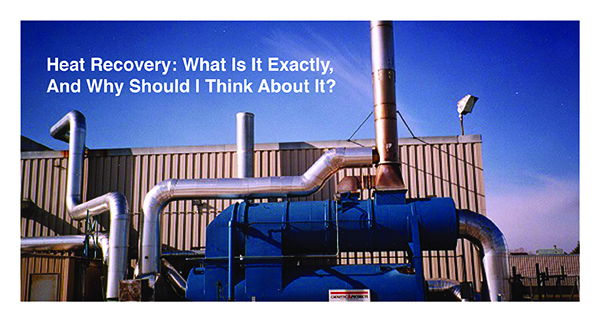
Any facility operator that consumes significant amounts of natural gas should understand the basics of heat recovery. Here at Catalytic Products International (CPI), we find ourselves engaged in energy conservation discussions with our existing and prospective customers several times each week. We felt that “Heat Recovery 101” may be a useful tool to help our readers fully understand some of the basics and economics about heat recovery solutions.
Read More
Topics:
Air Pollution Control,
Waste Heat Recovery,
Blog
There are hundreds of types of catalyst products at work in the world today. This series will focus only on the use of precious metal catalysts used in air pollution control systems. The most traditional air pollution control device that employs a precious metal catalyst is a Catalytic Oxidizer. Although catalysts have been used in Regenerative Thermal Oxidizers as a means to lower the operating temperature and reduce natural gas consumption, they can also be installed in a catalytic reactor or catalyst bed where the pollutants are found in a pre-heated exhaust stream.
Read More
Topics:
Air Pollution Control,
Maintenance and Repairs,
Catalytic Oxidizer,
Blog