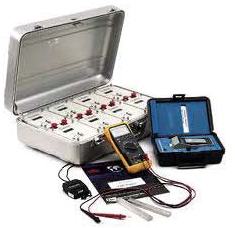
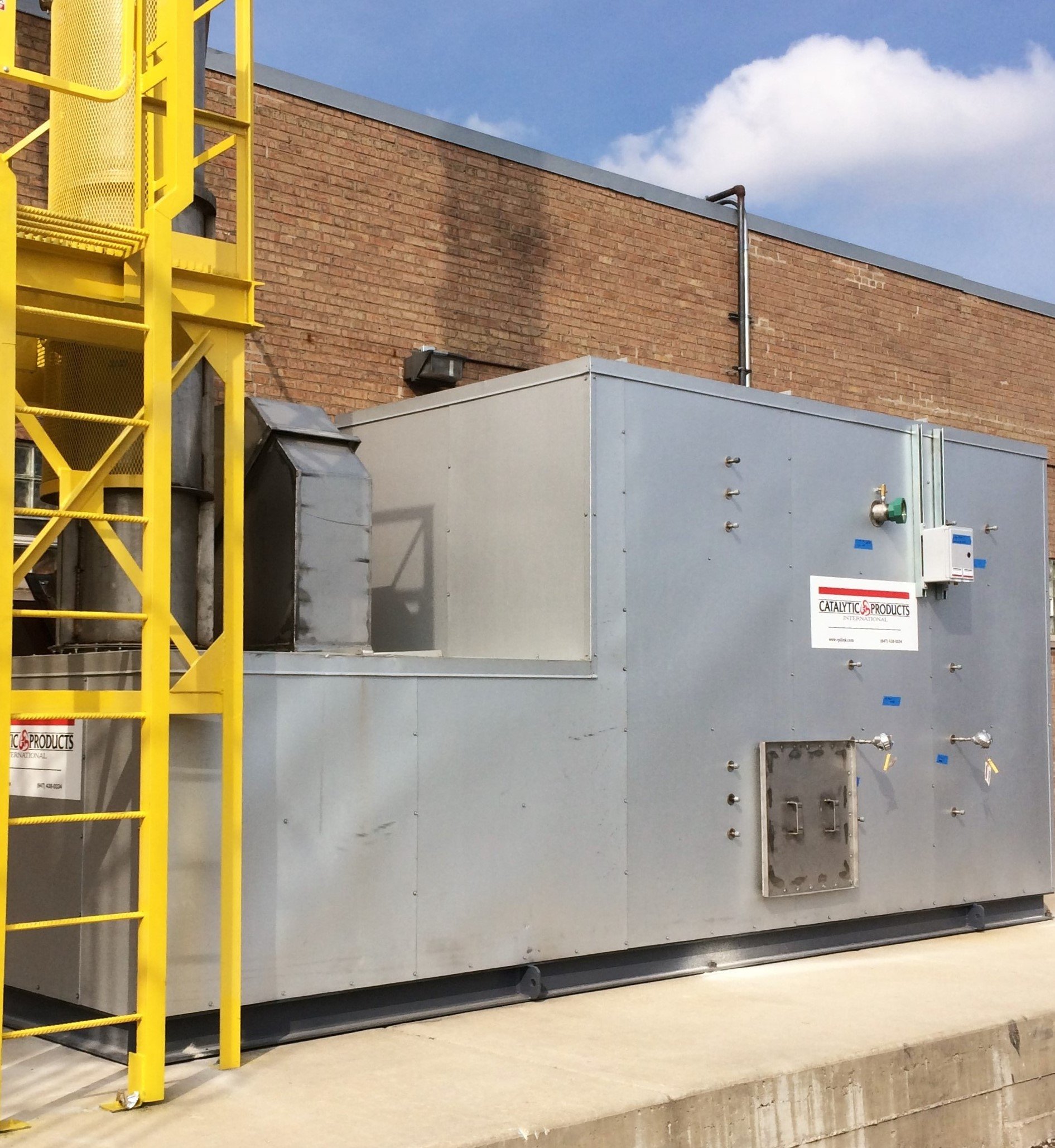
Accurate measurement of airflow is a key part of properly sizing and selecting a new air pollution control device such as a thermal or catalytic oxidizer. Ongoing maintenance of existing thermal oxidizer’s should also include periodic air flow measurements. Usually, airflow measurement is a straightforward exercise, but special situations sometime occur that require alternatives. In this blog, we'll discuss the basics of airflow measurement and how to handle some problematic conditions.
Read More
Topics:
Air Pollution Control,
Maintenance and Repairs,
Environmental and Regulatory,
Blog
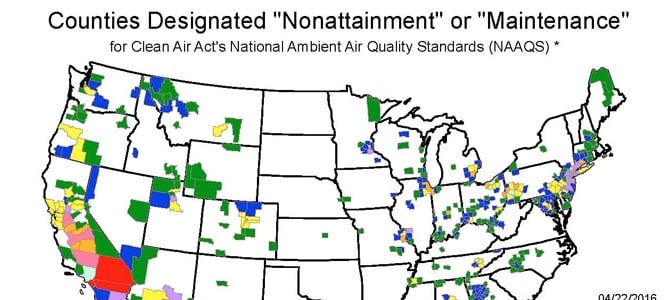
Air quality regulation starts with National Ambient Air Quality Standards, more commonly known by the abbreviation NAAQS. The NAAQS represent the maximum concentration of each regulated pollutant that can be present in the air we breathe, according to the Environmental Protection Agency (EPA). Each maximum concentration is chosen to fulfill the EPA’s mandate to protect human health and the environment.
Read More
Topics:
Air Pollution Control,
Environmental and Regulatory,
Blog
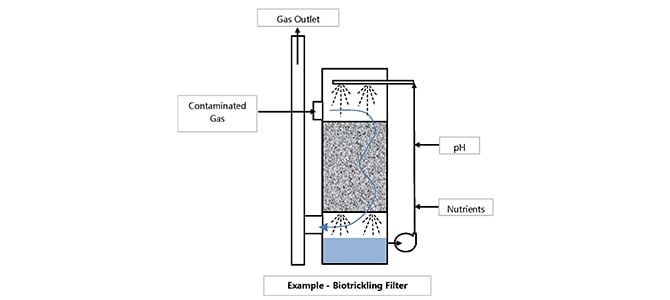
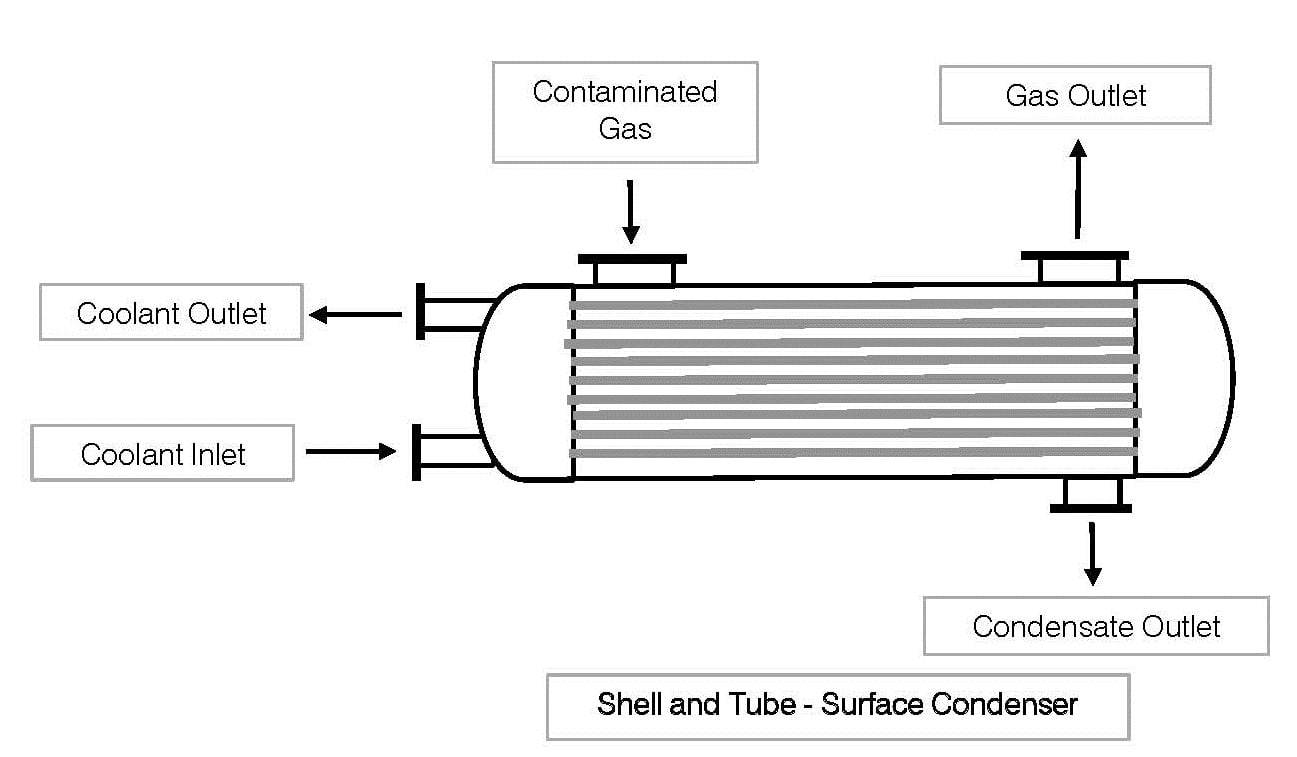
Many pollutants, both natural and synthetic, are gaseous in nature and require specific technology to effectively remove the pollutant from an exhaust or process gas stream. Gaseous industrial pollutants can include:
Read More
Topics:
Air Pollution Control,
Environmental and Regulatory,
Blog
 One question which we frequently receive is about the length of the process of building and installing an oxidizer. There are many factors which influence the oxidizer installation process, including the client’s procurement process and the complexity of the equipment and location of the site. In this series of blogs, we’ve been taking a look at a typical industrial process utilizing a standard thermal oxidizer, catalytic oxidizer, or regenerative thermal oxidizer. We’ve previously discussed the timelines for the client buying process and oxidizer delivery and installation. In this final blog, we’ll look at the timeline for compliance testing.
Read More
Topics:
Air Pollution Control,
VOC Emissions,
Regenerative Thermal Oxidizer,
Thermal Oxidizer,
Blog,
Installation,
DRE Test
Many pollutants, both natural and synthetic, are gaseous in nature and require specific technology to effectively remove the pollutant from an exhaust or process gas stream. Gaseous industrial pollutants can include:
Read More
Topics:
Air Pollution Control,
Environmental and Regulatory,
Blog
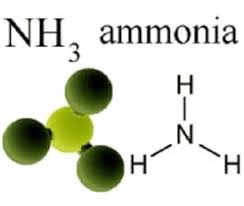
Ammonia (NH3) is one of the most commonly produced industrial chemicals in the United States. It is used in industry and commerce, and it also exists naturally in humans and in the environment. Ammonia is essential for many biological processes and serves as a precursor for amino acid and nucleotide synthesis. In the environment, ammonia is part of the nitrogen cycle and is produced in soil from bacterial processes. Ammonia is also produced naturally from decomposition of organic matter, including plants, animals, and animal wastes.
Read More
Topics:
Air Pollution Control,
Environmental and Regulatory,
Blog,
Ammonia
 Air pollution control is a complicated subject, but it is incredibly important for any company that uses industrial processes to understand how to manage the volatile organic compounds (VOCs) and hazardous air pollutants (HAPs) that they produce. But before companies proceed with planning and budgeting for an air pollution control device, there are several questions they need to answer:
Read More
Topics:
Air Pollution Control,
Thermal Oxidizer,
Blog
 At CPI, we are frequently asked about the length of time necessary to build and install an oxidizer. The answer to that question is complicated, depending on a variety of factors such as the client’s procurement process and the complexity of the equipment and location of the site. To help build understanding of the decisions that go into this process, we wanted to take a closer look at a typical industrial process utilizing a standard thermal oxidizer, catalytic oxidizer, or regenerative thermal oxidizer. In our first blog on this topic, we looked at the client buying process. Today, we’ll look at the timeline for oxidizer deliver and installation.
Read More
Topics:
Air Pollution Control,
VOC Emissions,
Regenerative Thermal Oxidizer,
Thermal Oxidizer,
Blog,
Installation
Many pollutants, both natural and synthetic, are gaseous in nature and require specific technology to effectively remove the pollutant from an exhaust or process gas stream. Gaseous industrial pollutants can include:
Read More
Topics:
Air Pollution Control,
Environmental and Regulatory,
Blog,
Activated Carbon
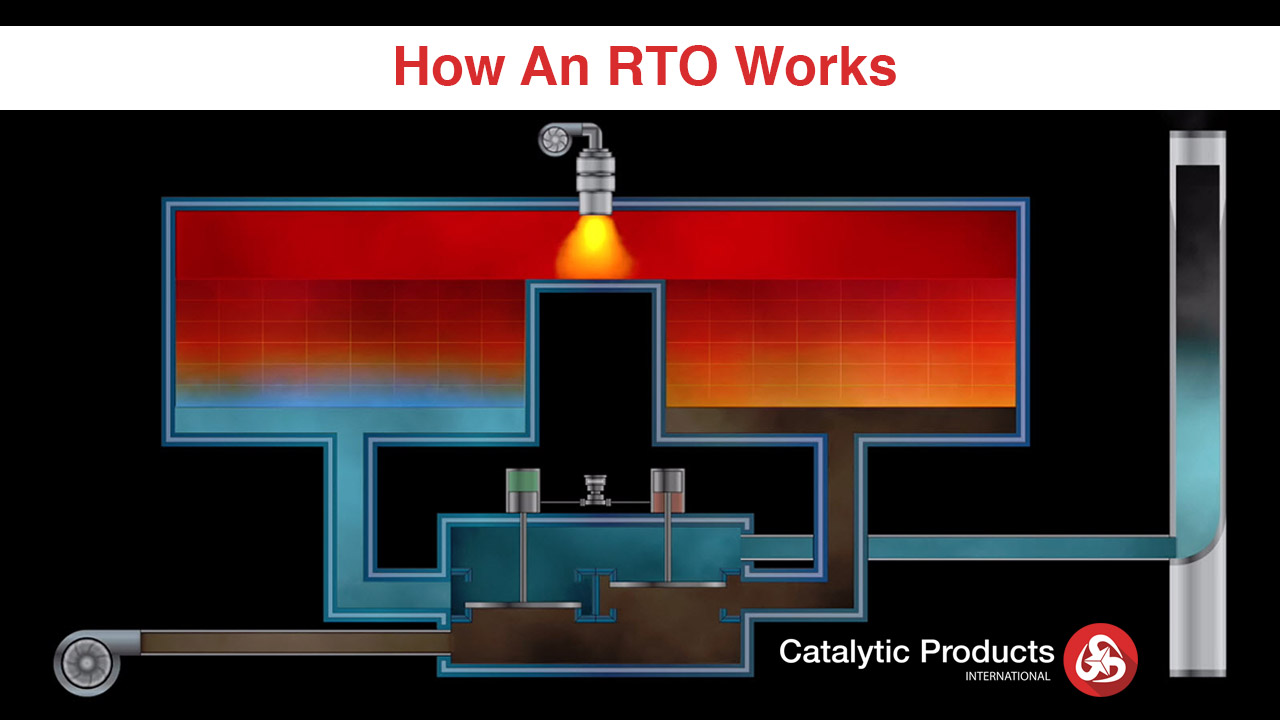
In our previous post we discussed what air pollution is and why anyone may need a Regenerative Thermal Oxidizer (RTO). In this post we explore more details about various RTO designs and describe the operating principles.
Read More
Topics:
Air Pollution Control,
Environmental and Regulatory,
Regenerative Thermal Oxidizer,
Blog