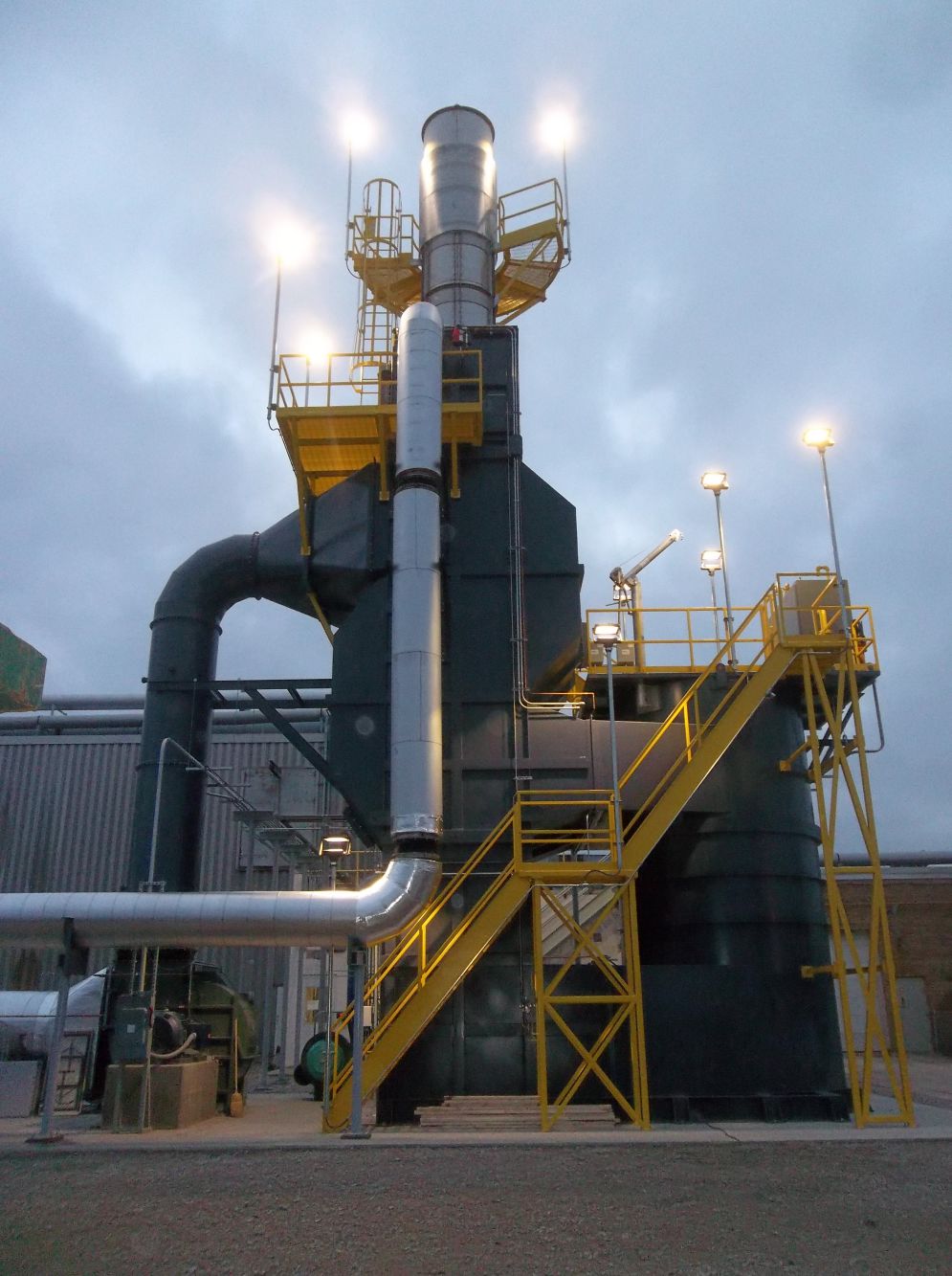
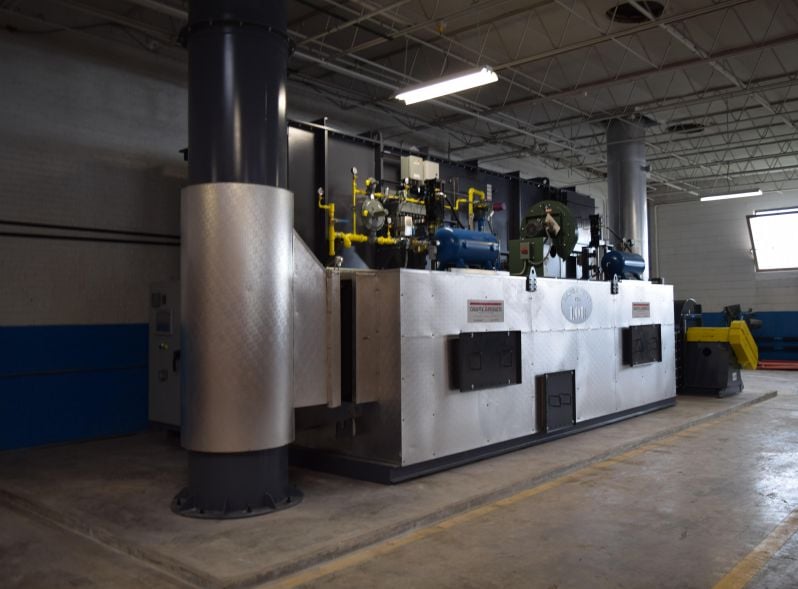
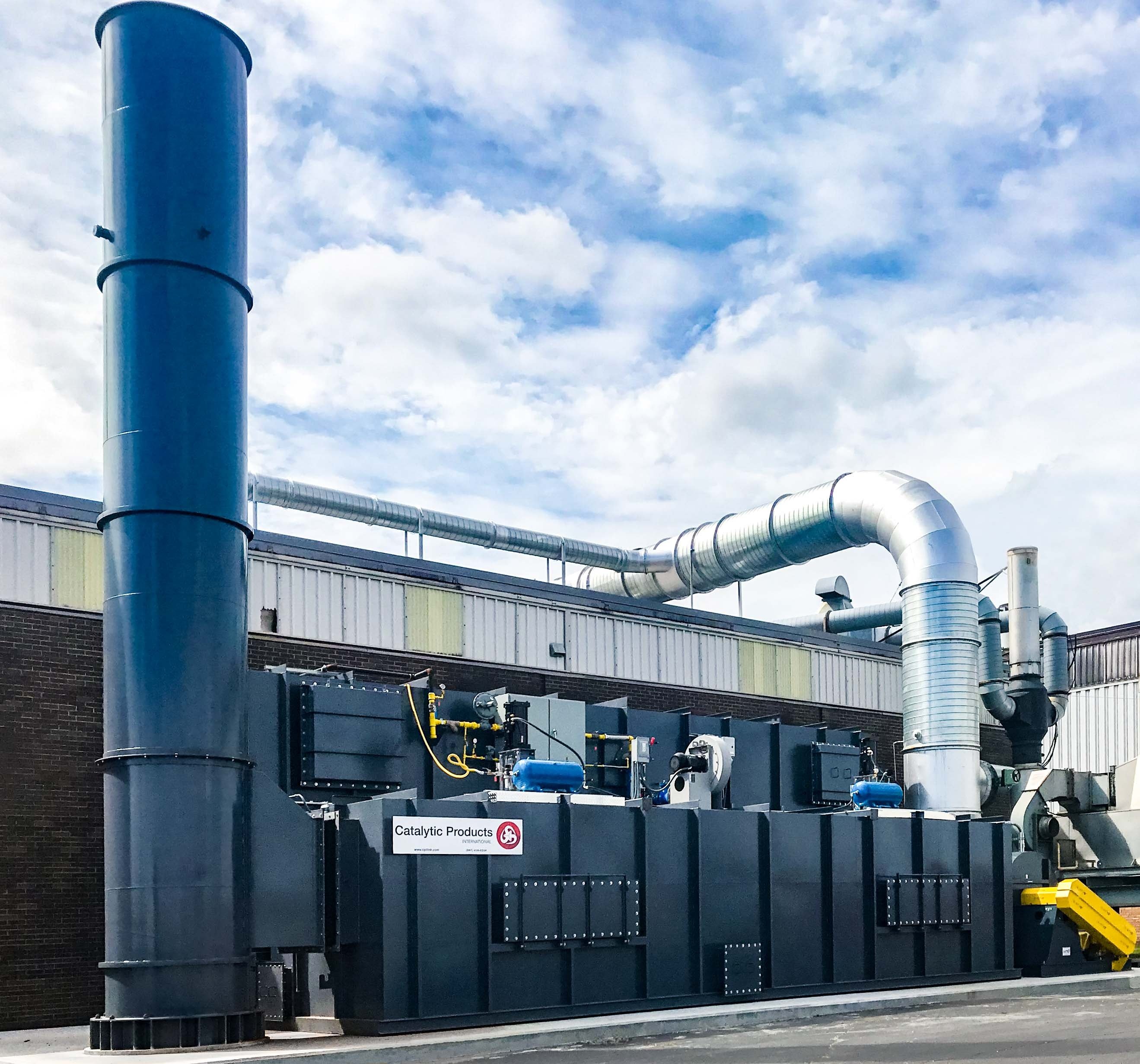
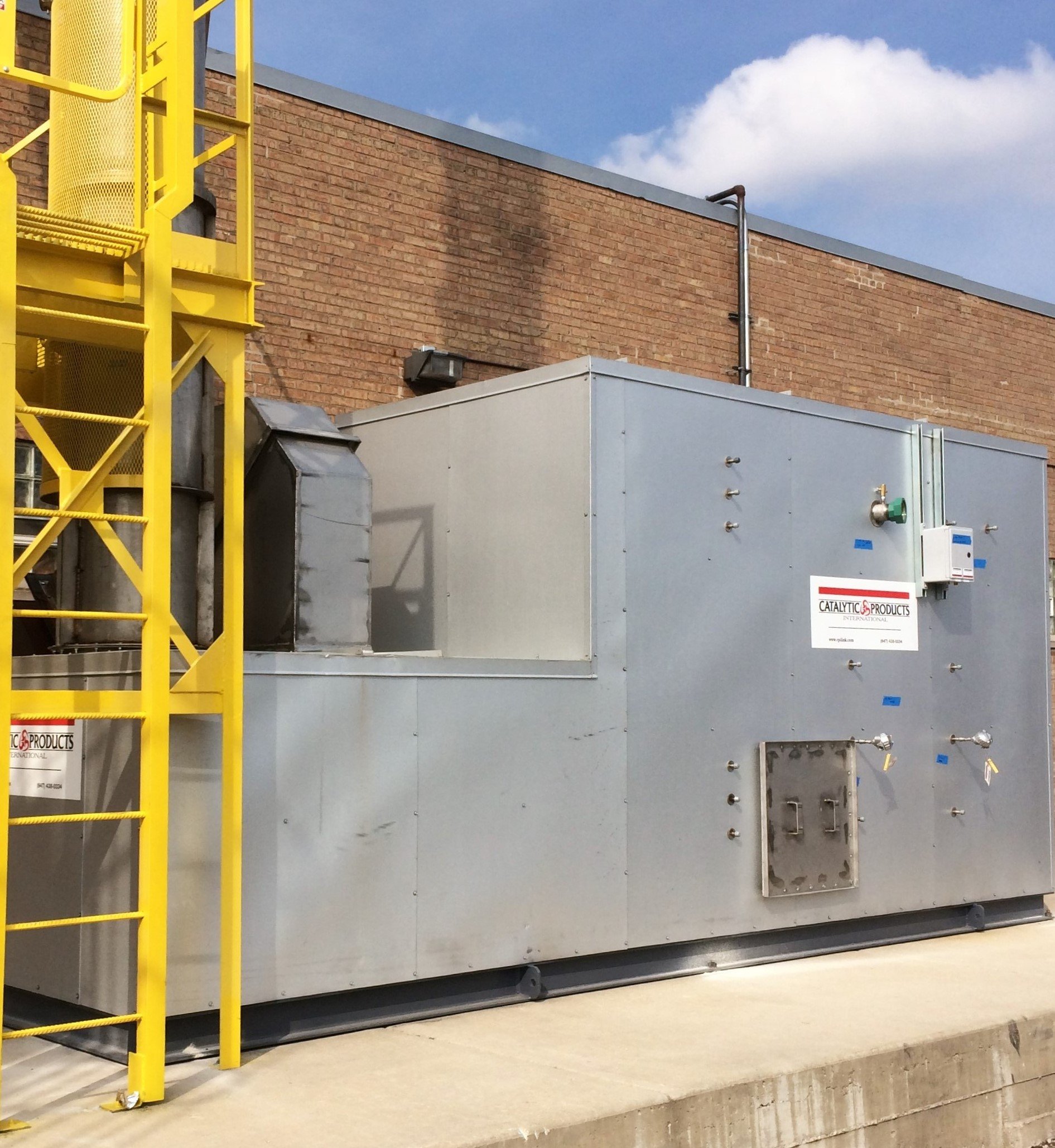
When it comes to air pollution control, understanding the technology that is available is a complicated endeavor, but this knowledge is necessary for complying with environmental regulations. At Catalytic Products International, we are experts in the systems used to control volatile organic compounds (VOCs) and hazardous air pollutants (HAPs), and we want to help you understand how you can use these oxidizers for VOC control and to meet all your air pollution control needs.
There are 5 basic, distinct types of oxidizers used for VOC control. Let's look at each of them, along with some simple guidelines to point you in direction of the correct oxidizer for your process.
Read More
Topics:
Air Pollution Control,
Regenerative Thermal Oxidizer,
Thermal Oxidizer,
Catalytic Oxidizer,
Blog
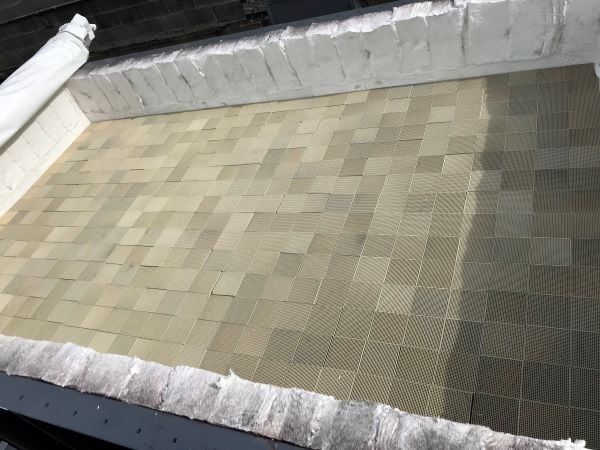
This month, CPI would like to dig deep into the guts of the Regenerative Thermal Oxidizer (RTO) to share an educated understanding of RTO ceramic heat exchange media. In all RTO applications, the selection of the type of media required to best suit your needs is an important decision when buying an RTO, but it could also be an area for improvement in equipment rebuilds. To get started, let’s review the basic types of RTO ceramic heat exchange media:
Read More
Topics:
Air Pollution Control,
Maintenance and Repairs,
Regenerative Thermal Oxidizer,
Blog
At Catalytic Products International, we work with our clients every day to help them ensure that they are addressing their air pollution control needs as efficiently and cost-effectively as possible. With our years of experience and level of expertise, we can help them address their concerns and find the best solutions to meet their needs. Each client we work with is different, and we want to share their stories to show how CPI can provide the best air pollution control solutions for any industry.
Read More
Topics:
Regenerative Thermal Oxidizer,
Customer Testimonials,
Flexographic Printing,
Blog,
Installation,
Rebates
So you’ve reached compliance with your EPA operations permit. Your manufacturing is 100% online. Your team is happy to report that your regenerative thermal oxidizer (RTO) is fully commissioned and running better than expected. These are typical reactions to a Startup/Commissioning sequence on CPI projects. Now that the system is running and production is back to full speed the real question is this: What type of maintenance is required on the RTO? Over the next few months, we’ll be looking at the critical, yet often overlooked, requirements for keeping a quality CPI RTO online and running smoothly.
Read More
Topics:
Maintenance and Repairs,
Regenerative Thermal Oxidizer,
Blog
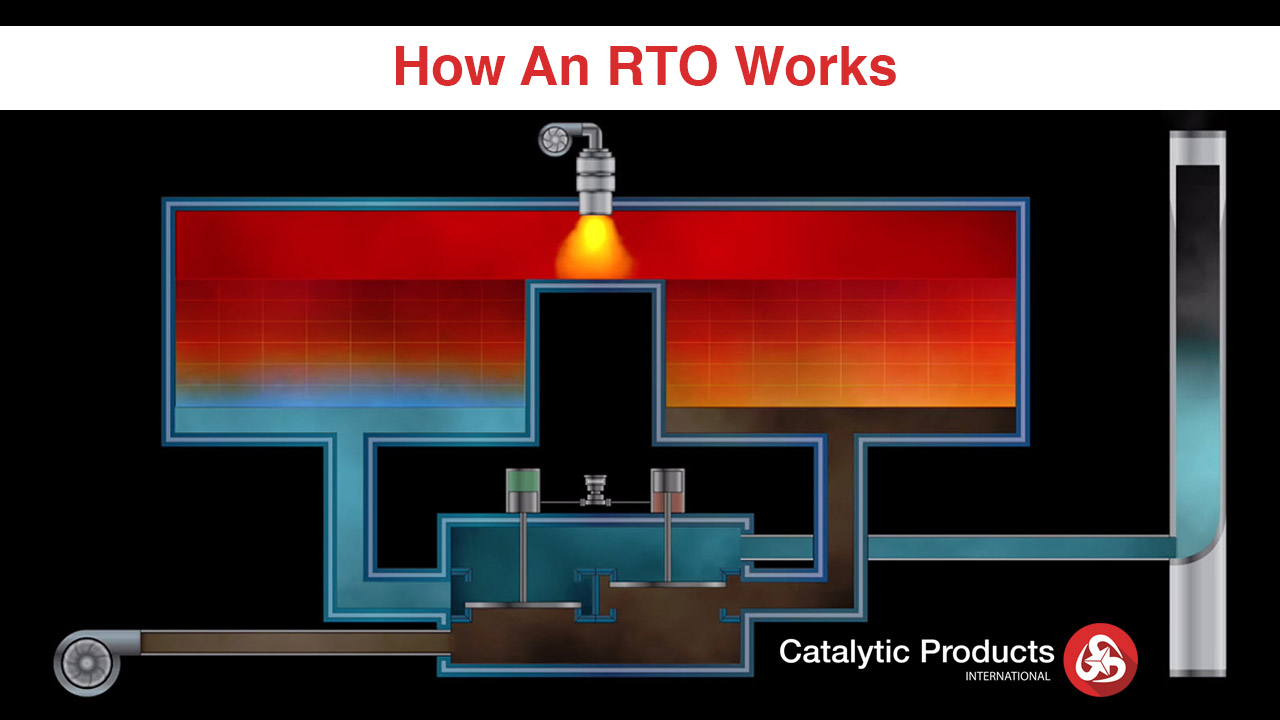
A Regenerative Thermal Oxidizer (RTO) is an air pollution control device that is designed to destroy VOC, HAP, and odorous compounds in order to meet air pollution control regulations. RTOs can be used in small applications (4,000 scfm) to large ones (+100,000 scfm). There are many manufactures of RTOs with a wide variety of media, valves, and overall designs. While there are a lot of differences among the RTOs, one thing is true no matter which system you have installed in your plant: your RTO needs maintenance.
Read More
Topics:
Maintenance and Repairs,
Regenerative Thermal Oxidizer,
Blog
 One question which we frequently receive is about the length of the process of building and installing an oxidizer. There are many factors which influence the oxidizer installation process, including the client’s procurement process and the complexity of the equipment and location of the site. In this series of blogs, we’ve been taking a look at a typical industrial process utilizing a standard thermal oxidizer, catalytic oxidizer, or regenerative thermal oxidizer. We’ve previously discussed the timelines for the client buying process and oxidizer delivery and installation. In this final blog, we’ll look at the timeline for compliance testing.
Read More
Topics:
Air Pollution Control,
VOC Emissions,
Regenerative Thermal Oxidizer,
Thermal Oxidizer,
Blog,
Installation,
DRE Test
 At CPI, we are frequently asked about the length of time necessary to build and install an oxidizer. The answer to that question is complicated, depending on a variety of factors such as the client’s procurement process and the complexity of the equipment and location of the site. To help build understanding of the decisions that go into this process, we wanted to take a closer look at a typical industrial process utilizing a standard thermal oxidizer, catalytic oxidizer, or regenerative thermal oxidizer. In our first blog on this topic, we looked at the client buying process. Today, we’ll look at the timeline for oxidizer deliver and installation.
Read More
Topics:
Air Pollution Control,
VOC Emissions,
Regenerative Thermal Oxidizer,
Thermal Oxidizer,
Blog,
Installation
In our previous post we discussed what air pollution is and why anyone may need a Regenerative Thermal Oxidizer (RTO). In this post we explore more details about various RTO designs and describe the operating principles.
Read More
Topics:
Air Pollution Control,
Environmental and Regulatory,
Regenerative Thermal Oxidizer,
Blog
Our first encounters with our customers often start with this statement; “I was told that I need a RTO.” That’s obviously a big statement which usually leads to many more questions to precisely determine where we can help. This also means that the person with interest has some sort of air pollution control problem that may involve volatile organic compounds (VOC), carbon monoxide (CO) or odorous emissions.
It may be helpful to understand the basic reason anyone would need a
Regenerative Thermal Oxidizer (RTO).
Read More
Topics:
Air Pollution Control,
Environmental and Regulatory,
Regenerative Thermal Oxidizer,
Blog

If you haven’t had a Title V permit, but one may be in your future, you may wonder what’s in store. In this post, we’ll take a look at the Title V permit program, which has been a feature of environmental regulation in the United States for over twenty years.
Read More
Topics:
Air Pollution Control,
VOC Emissions,
Environmental and Regulatory,
Regenerative Thermal Oxidizer,
Thermal Oxidizer,
Blog